A lost filling needs prompt dental assessment, even when the tooth is not painful. Keep the area clean, avoid chewing on the affected tooth, and avoid foods or drinks that trigger sensitivity. A temporary dental filling material can provide short-term protection while you arrange treatment, but it does not replace professional care.
What Should You Do If Your Filling Falls Out?
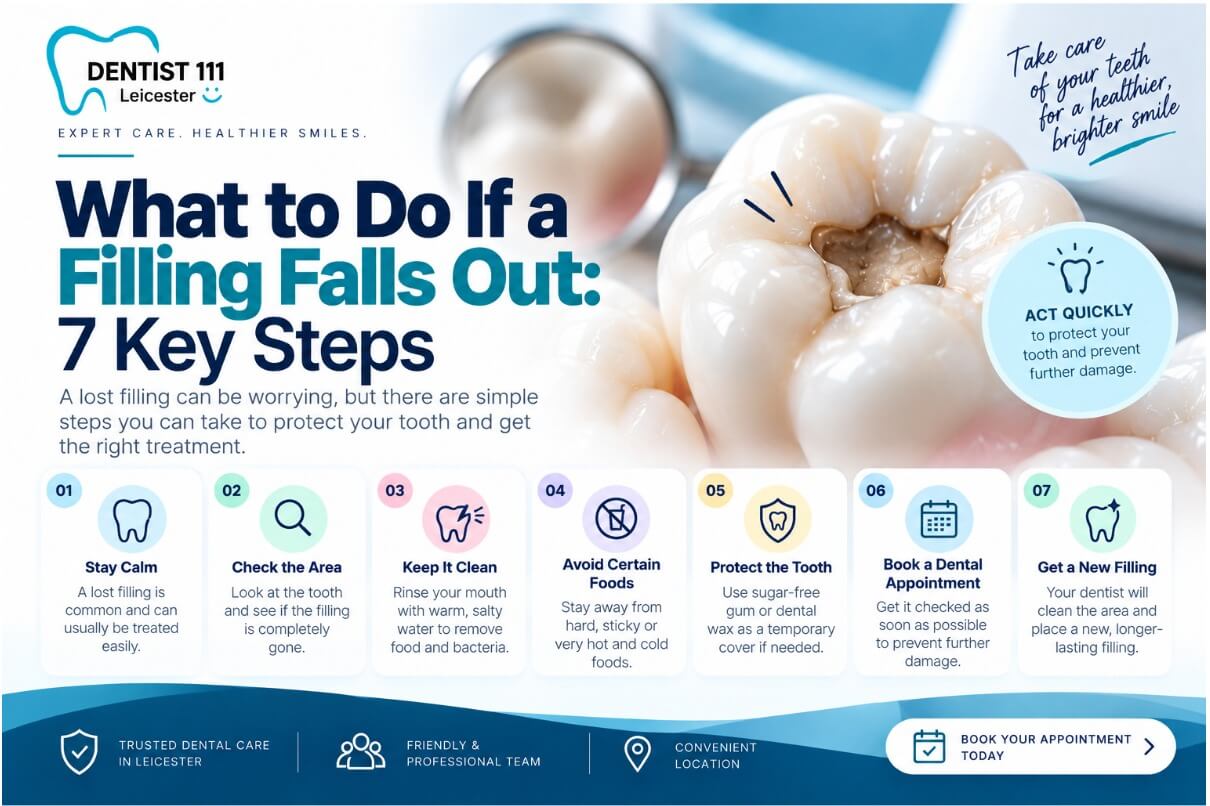
A filling that has fallen out needs prompt dental assessment because the tooth may require repair or further treatment. Until you see a dentist, protect the affected tooth, keep it clean and avoid actions that could cause further damage. NHS guidance lists a broken or loose filling as a reason to seek urgent dental advice.
1. Contact a Dentist
Contact a dentist as soon as possible and explain that your filling has fallen out. Tell the practice about symptoms such as pain, sensitivity, swelling or visible tooth damage so they can assess the urgency. If you do not have a dentist or cannot obtain an urgent appointment, NHS guidance advises contacting NHS 111 for help with urgent dental care.
2. Clean the Area Gently
Keep the affected tooth clean by brushing gently with fluoride toothpaste twice a day. Rinse your mouth with water after eating if food collects around the affected area. Avoid probing the space with sharp objects because this can irritate the surrounding tissues.
3. Stop Chewing on That Side
Avoid chewing on the affected tooth until it has been assessed. Choose softer foods and avoid hard foods such as nuts and crusty foods that can place additional pressure on the tooth. NHS guidance for a lost filling specifically recommends avoiding hard foods on the affected tooth.
4. Avoid Sensitivity Triggers
Avoid very hot, cold or sugary foods and drinks if they cause sensitivity. Examples include ice cream, very hot tea and sugary drinks. NHS guidance recommends avoiding very hot or cold foods and drinks that trigger sensitivity while waiting for dental treatment.
5. Use a Temporary Filling Material if Necessary
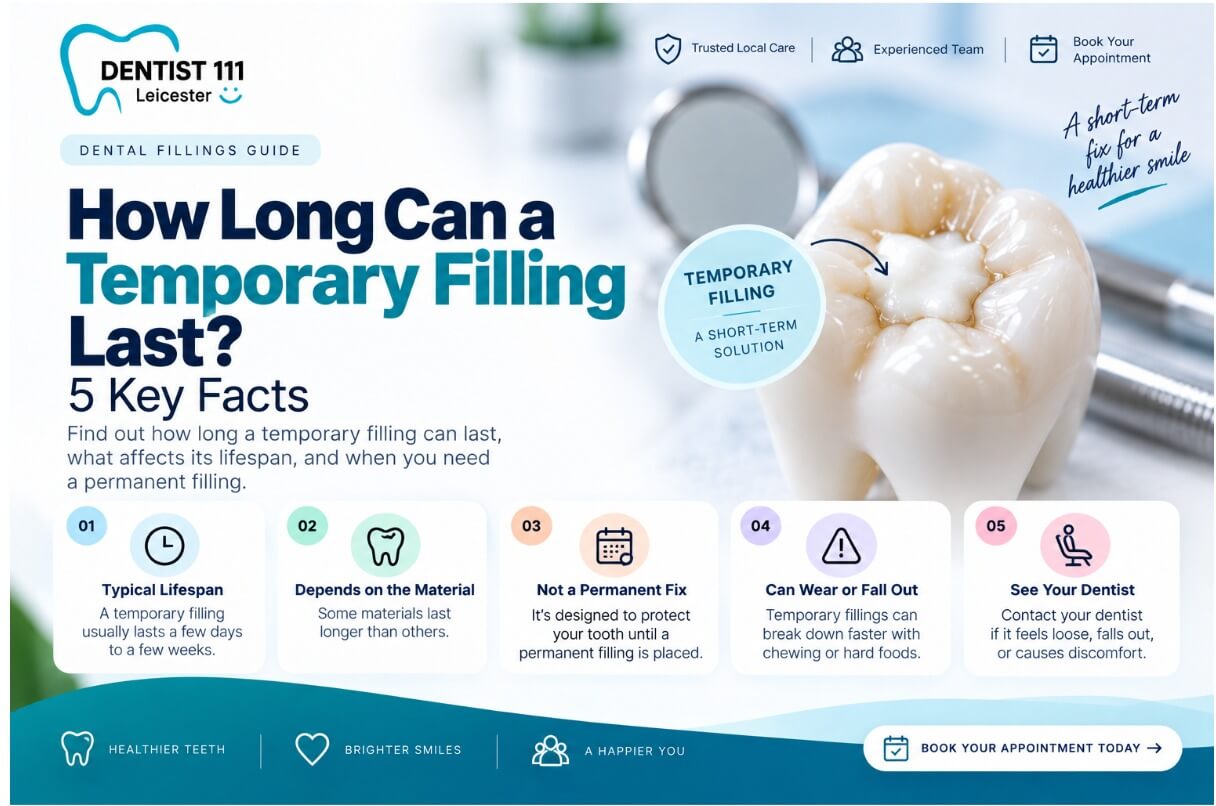
A temporary dental filling material can protect the area for a short period when immediate professional treatment is not available. Use a product specifically intended for lost fillings and follow its manufacturer's instructions. Temporary material does not repair the underlying tooth or replace definitive dental treatment.
6. Do Not Use Glue
Do not use superglue or household adhesive to put the filling back into the tooth. These products are not designed for use inside the mouth and are not an appropriate dental repair. Do not force objects or unapproved materials into the space either.
7. Keep the Fallen Filling if You Find It
If you find the filling after it falls out, keep it in a clean container and take it to the dental appointment. Do not try to push the filling back into the tooth or attach it with adhesive. The dentist can assess the tooth and determine whether the restoration or the tooth itself requires further treatment.
Is a Filling Falling Out a Dental Emergency?
A filling falling out is an urgent dental problem, but it does not usually require A&E. NHS guidance lists a broken or loose filling as a reason to seek urgent dental advice, while NHS England classifies fractured, loose or displaced fillings within non-urgent unscheduled dental care that generally requires care within 7 days, unless symptoms indicate greater urgency.
What If the Filling Falls Out but There Is No Pain?
A filling can fall out without causing immediate pain, but the tooth still needs dental assessment. The absence of pain does not establish that the tooth is healthy because the condition of the remaining tooth structure cannot be determined without examination. Arrange dental care even if the tooth feels normal.
When Does a Lost Filling Need Urgent Dental Care?
Seek urgent dental care when severe or persistent pain, increasing swelling, spreading infection or significant tooth damage develops. NHS England defines urgent dental conditions according to factors such as pain severity, swelling, infection, loss of function and how symptoms are progressing.
When Is It a Medical Emergency?
Call 999 or go to A&E if severe swelling of the mouth, lips, throat or neck causes difficulty breathing, or if heavy bleeding from the mouth cannot be controlled. These symptoms require emergency medical assessment rather than routine dental treatment.
For urgent dental care in Leicester,Emergency Dentist Leicester provides a relevant local treatment option for patients with lost or damaged fillings.
How Long Can You Wait After a Filling Falls Out?
There is no fixed number of days that is safe for every lost filling, so arrange dental assessment promptly rather than waiting for pain to develop. NHS guidance states that urgent dental treatment should be offered within 24 hours or 7 days, depending on symptoms and clinical urgency. If the tooth becomes painful, increasingly sensitive, swollen or damaged, seek dental care sooner.
While waiting for treatment, keep the tooth clean and avoid pressure on the affected area. Brush twice a day with fluoride toothpaste, avoid hard foods and avoid very hot or cold foods that trigger sensitivity.
Can You Temporarily Fix a Filling That Fell Out?
A temporary filling material can protect the affected area for a short period while professional treatment is arranged. It does not permanently replace the lost restoration or correct problems such as decay, cracks or weakened tooth structure. NHS Wales notes that a dentist may initially use a temporary filling or repair before providing longer-term treatment.
Can You Use a Temporary Filling Kit?
Temporary filling kits can be used to cover or protect a lost-filling area temporarily when professional treatment is not immediately available. Follow the specific product instructions, use only the recommended amount and remove excess material so it does not interfere with the bite.
For example, Dentemp's manufacturer instructs users to rinse the cavity with warm water, leave it moist, press a small amount of material into the cavity and remove excess material. The manufacturer states that the product is a temporary remedy and advises seeing a dentist as soon as possible.
Does DenTek Temparin Max Work?
DenTek Temparin Max is intended as a temporary remedy for lost fillings and similar dental problems. If you use it, follow the manufacturer's current instructions and arrange professional dental treatment rather than relying on the material as a permanent restoration.
Do not use a temporary filling product when its manufacturer's warnings apply, such as when significant pain or swelling is present. A dentist needs to assess the tooth when these symptoms occur.
What Should You Not Use on a Lost Filling?
Do not use superglue, household adhesive or other non-dental materials to replace a lost filling. Do not force objects into the cavity or attempt to recreate the original filling yourself. Temporary dental products designed for this purpose are different from household adhesives.
What Happens If You Leave a Filling Out?
Leaving a lost filling untreated can allow sensitivity or food trapping around the affected tooth to continue. The NHS recommends dental assessment after losing a filling, while the urgency depends on the condition of the tooth and the symptoms present.
Increased Tooth Sensitivity
A lost filling can make a tooth more sensitive to hot, cold or sweet foods and drinks, particularly when the affected tooth structure is sensitive. Avoid foods and drinks that trigger discomfort while waiting for treatment. Persistent or worsening sensitivity requires dental assessment because it can also occur with tooth decay or other dental problems.
Food Can Collect Around the Tooth
The space left by a lost filling can allow food particles to collect around the affected area. Keep the tooth clean by brushing twice a day with fluoride toothpaste and avoid hard foods while waiting for treatment.
The Tooth May Need Further Treatment
A lost filling does not always mean that another filling is the only treatment required. A dentist may recommend a temporary repair, a new filling or a crown depending on the remaining tooth structure; root canal treatment or extraction may be required when the tooth cannot be repaired.
Why Do Fillings Fall Out?
Fillings can fall out because of wear, decay around the restoration, excessive biting forces or damage to the tooth. The exact cause depends on the condition of the restoration and the remaining tooth structure.
Wear and Age
Dental fillings experience repeated chewing forces over time. Wear can affect the restoration and the surrounding tooth structure, making assessment important when a filling becomes loose or falls out.
New Decay Around the Filling
Decay can develop around an existing filling and weaken the tooth structure supporting the restoration. A dentist can examine the tooth for decay around or beneath the previous filling before deciding whether another filling is suitable.
Biting Forces and Teeth Grinding
Strong or repeated biting forces can place additional stress on a restoration. Teeth grinding and clenching can increase mechanical forces on the tooth and filling, particularly when the tooth has already been weakened.
Tooth Damage or Fracture
A filling can come out when the tooth around it becomes cracked, fractured or structurally weakened. In these situations, replacing the filling alone may not provide enough support.
The cause cannot always be determined from the missing filling alone. A dental examination is required to identify decay, fracture, restoration wear or another contributing problem.
How Does a Dentist Fix a Filling That Has Fallen Out?
A dentist fixes a lost filling by examining the remaining tooth, identifying the cause and selecting suitable treatment. A new filling may be appropriate when enough healthy tooth structure remains, while extensive damage or infection can require another restoration or treatment.
Examination and X-Ray
The dentist examines the tooth and the area where the filling was lost. A dental X-ray may be used when additional information about decay, infection or tooth damage is needed to determine appropriate treatment.
The assessment can consider:
- Remaining tooth structure
- Decay around or beneath the previous filling
- Cracks or fractures
- Symptoms such as pain or sensitivity
- The condition of surrounding structures
Replacement Filling
Areplacement filling may be suitable when enough healthy tooth structure remains to support another restoration. The dentist removes any necessary damaged or decayed tissue and restores the tooth with an appropriate filling material.
Crown or Other Restoration
A larger restoration may be required when substantial tooth structure has been lost or the remaining tooth cannot adequately support another filling. The choice depends on the amount of remaining tooth structure, the tooth's location and the extent of the damage.
When Is Root Canal Treatment Needed?
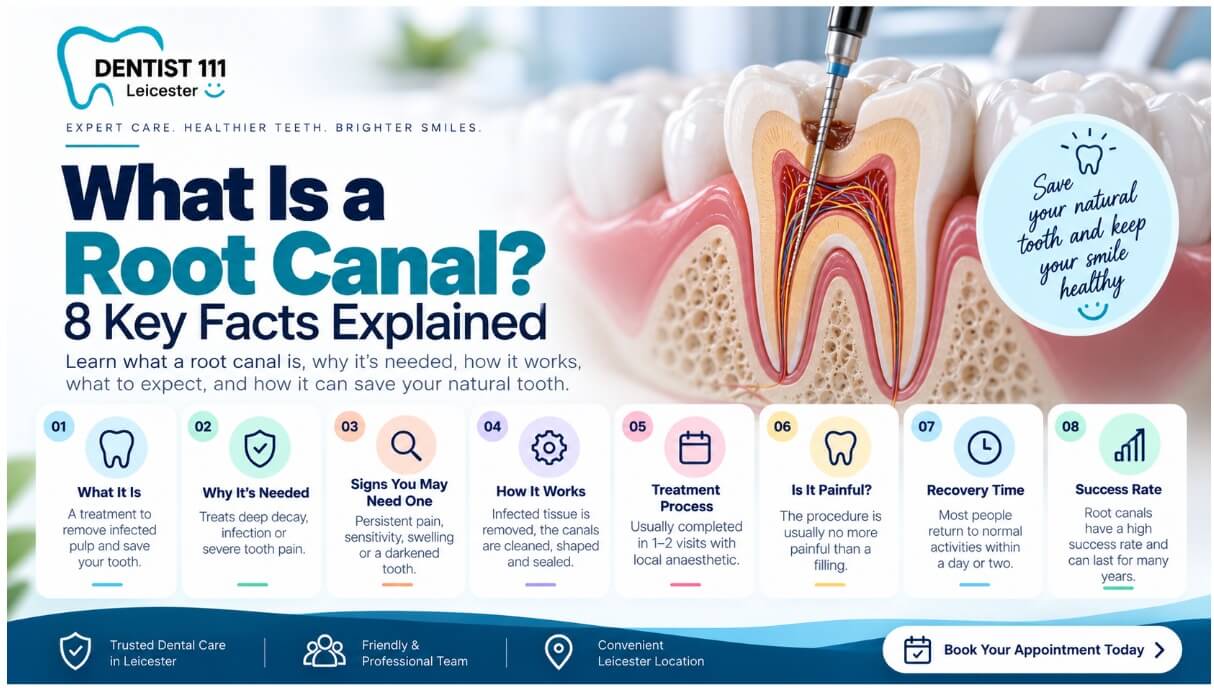
Root canal treatment may be required when the dental pulp inside the tooth is infected or significantly damaged. Symptoms such as persistent severe pain or swelling can indicate deeper dental disease, but a lost filling alone does not automatically mean that root canal treatment is necessary.
What Determines the Treatment?
The treatment depends on the condition of the remaining tooth structure and the underlying cause of the lost filling.
Dental finding | Possible treatment |
Sufficient healthy tooth structure | Replacement filling |
Extensive loss of tooth structure | Crown or larger restoration |
Decay around the previous filling | Decay removal and restoration |
Significant tooth fracture | Restoration based on remaining tooth structure |
Pulp infection or significant damage | Root canal treatment |
A dentist determines the appropriate treatment after examining the tooth rather than treating the lost filling alone.
FAQs About a Filling Falling Out
Can a Filling Fall Out While You Are Eating?
Yes, a filling can become dislodged while eating, particularly when the restoration or surrounding tooth structure has already been weakened. Stop chewing on the affected side and arrange dental assessment rather than trying to push the filling back into place.
What Should You Do If You Find the Filling?
If you find the fallen filling, keep it in a clean container and take it to your dental appointment. Do not attempt to reattach it with glue or force it back into the tooth. The dentist can assess both the filling and the remaining tooth.
What If My Filling Is Loose but Has Not Fallen Out?
A loose filling still needs dental assessment, even if it has not completely fallen out. Do not pull it out or attempt to repair it yourself. Avoid chewing hard foods on that side until a dentist has examined the tooth.
What Should You Do If You Swallow a Filling?
If you accidentally swallow a filling, do not try to make yourself vomit. Arrange dental assessment because the tooth still needs to be examined even if you have no symptoms. Seek urgent medical help if swallowing is followed by breathing difficulty, choking or another serious symptom.